When a nicotine pouch feels too strong: signs worth noticing
Nicotine pouches can look similar on the shelf, yet the experience can vary a great deal. A pouch that feels mild to one adult may feel sharp or uncomfortable to another. That difference is not just about the number on the tin. It also depends on how much nicotine is released, how long the pouch is kept in place, pouch size and a person's tolerance.
Knowing the signs that a pouch may be too strong helps the reader make calmer choices. It is not about chasing the highest number or judging a product on first impressions. It is about matching strength to personal comfort and recognising when the body is sending a clear signal.
What "too strong" means in practice
A pouch being too strong usually means the nicotine effect feels more intense than the person wants. That can happen even when the product is used as directed. Nicotine is absorbed through the lining of the mouth, and the pace of release can differ between products. A higher strength rating often suggests a larger amount of nicotine, but it does not describe the whole experience on its own.
Strength is commonly discussed in milligrams, sometimes with a separate descriptor such as extra strong. Those labels are useful for comparison, though they are not a perfect measure of how a pouch will feel. A slim pouch may sit differently from a mini pouch, and that changes contact with the mouth lining. Flavour can also shape perception, especially if it feels sharp or lingering.
Tolerance matters too. Someone who uses nicotine regularly may handle a stronger pouch with little obvious discomfort, while someone who uses it occasionally may notice the same product much more. Tolerance can also change over time, so a pouch that once felt manageable may later feel like too much, or the reverse.

Early signs that the strength may not suit
The first signals are often subtle. A short-lived tingling or warming sensation is normal for some pouches, especially stronger ones. The question is whether the sensation settles into a comfortable background feeling or keeps building. If it becomes uncomfortable, distracting or difficult to ignore, the strength may be beyond what that person needs.
Common signs include a burning feeling under the lip, a tight or uneasy sensation in the mouth, or a sudden head rush that feels unpleasant rather than mild. Some people notice hiccups, nausea, sweating or a fluttery feeling in the chest. Others feel light-headed, unusually warm or unable to settle. These signs do not need to be dramatic to matter. Discomfort is enough reason to reassess.
It is also worth paying attention to timing. If effects arrive quickly and feel harsh before the pouch has been in place for long, the nicotine release may be faster than expected for that person. If the discomfort continues after the pouch is removed, the experience may have been more than the body was comfortable with. In that case, taking a break and choosing a lower strength next time is a sensible response.
How labelling can help, and where it has limits
Many adults compare products by strength rating, flavour and format. That makes sense, because those details give a starting point. A shop may arrange products in a way that makes comparison easier, such as pouches sorted by nicotine strength. That kind of structure helps a reader see where a product sits before choosing, without relying on guesswork from packaging colours or names.
Even so, labels cannot predict personal comfort exactly. Nicotine content gives an indication of how much nicotine is in a pouch, but it does not tell the whole story about absorption. The same stated amount can feel different across formats, moisture levels and flavours. A product marketed as strong may feel smoother than expected, while a mid-strength pouch may feel surprisingly firm for someone with low tolerance.
This is why the first few minutes can be more informative than the label alone. Comfort, pace and after-effects all matter. If a pouch feels unpleasant, there is little value in pushing through simply because the packaging suggests it should be manageable. A better match is usually found by stepping down rather than trying to tolerate an effect that feels wrong.
Signs during and after use
During use, notice whether the pouch keeps demanding attention. Mild awareness of the pouch is normal. Constant focus on the tingling, taste or head feeling is a different experience. Strong nicotine pouches can produce a noticeable lift, but that lift should not feel overwhelming. If concentration drops, the mouth feels sore, or the effect feels difficult to control, the strength is likely too high for that moment.

After use, the body can also give useful feedback. Restlessness, a unsettled stomach, a headache or poor sleep may follow a pouch that was too strong, especially if used late in the day. Nicotine can affect alertness, so timing plays a part. A pouch that feels acceptable earlier may feel more disruptive in the evening.
It is useful to separate strength from flavour and fit. A mint or citrus flavour can create a cooling or sharp sensation that feels intense even when nicotine is not the cause. A pouch that is too large or rubs against the gum can irritate the mouth. If the discomfort is localised and scratchy, the format may be the issue. If the discomfort comes with head or stomach effects, nicotine strength is more likely to be involved.
What to do when a pouch feels too strong
The simplest response is to stop using that pouch. There is no need to keep it in place to prove anything. Remove it, drink water if the mouth feels dry or irritated, and give the body time to settle. If symptoms feel severe, unusual or worrying, medical advice is the right route. Nicotine can affect people differently, and persistent symptoms should not be ignored.
For future choices, look for a lower strength rating, a smaller format or a different flavour profile. Switching from a strong option to a milder one is a practical adjustment, not a failure. Some adults also find that spacing out use makes a difference, because stacking pouches can raise the overall effect. Keeping track of what felt comfortable can be more useful than remembering only the strongest product tried.
When comparing options, pouches sorted by nicotine strength can make it easier to move down a level rather than jumping between unrelated products. Small changes are easier to judge than large ones. A modest step down gives a clearer sense of which strength feels right, and it reduces the chance of swinging from too mild to too strong.
How to judge a better match
A well-matched pouch usually feels steady rather than dramatic. There may be a gentle nicotine effect, a manageable taste and no pressing urge to remove it because of discomfort. The mouth should feel comfortable, and the experience should fit the setting. For example, a pouch chosen during a busy work period may need to be less intense than one chosen during a quiet evening.
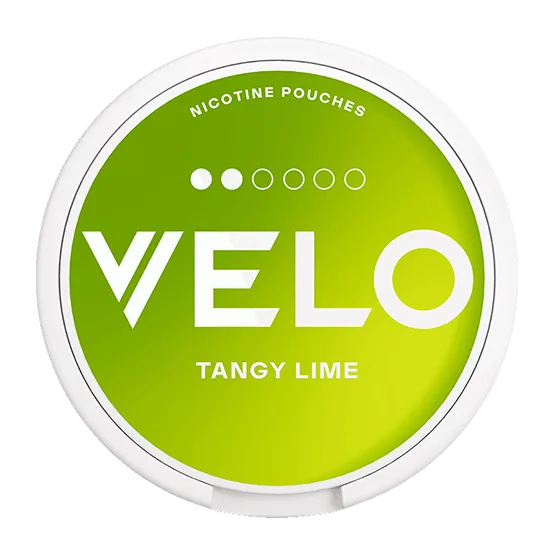
It can help to judge one change at a time. If the strength is lowered, keep the flavour and format familiar for a fair comparison. If the format is changed, keep the strength steady. This approach makes the reason for a better or worse experience easier to understand. It also avoids blaming nicotine when the real issue is pouch size, flavour intensity or mouth sensitivity.
Adult users who want clearer comparisons may find it useful to read product details before choosing. Nicotine content, strength rating and pouch format all contribute to the decision. A careful choice is less about finding the strongest option and more about finding the point where the effect feels controlled, comfortable and appropriate for personal tolerance.
Too-strong pouches are not always obvious from the name on the tin. The signs tend to show up in how the mouth feels, how quickly the effect arrives and how the body responds afterwards. Noticing those signals early makes it easier to choose a product that fits, rather than treating discomfort as part of the experience.